
 ATT
ATT
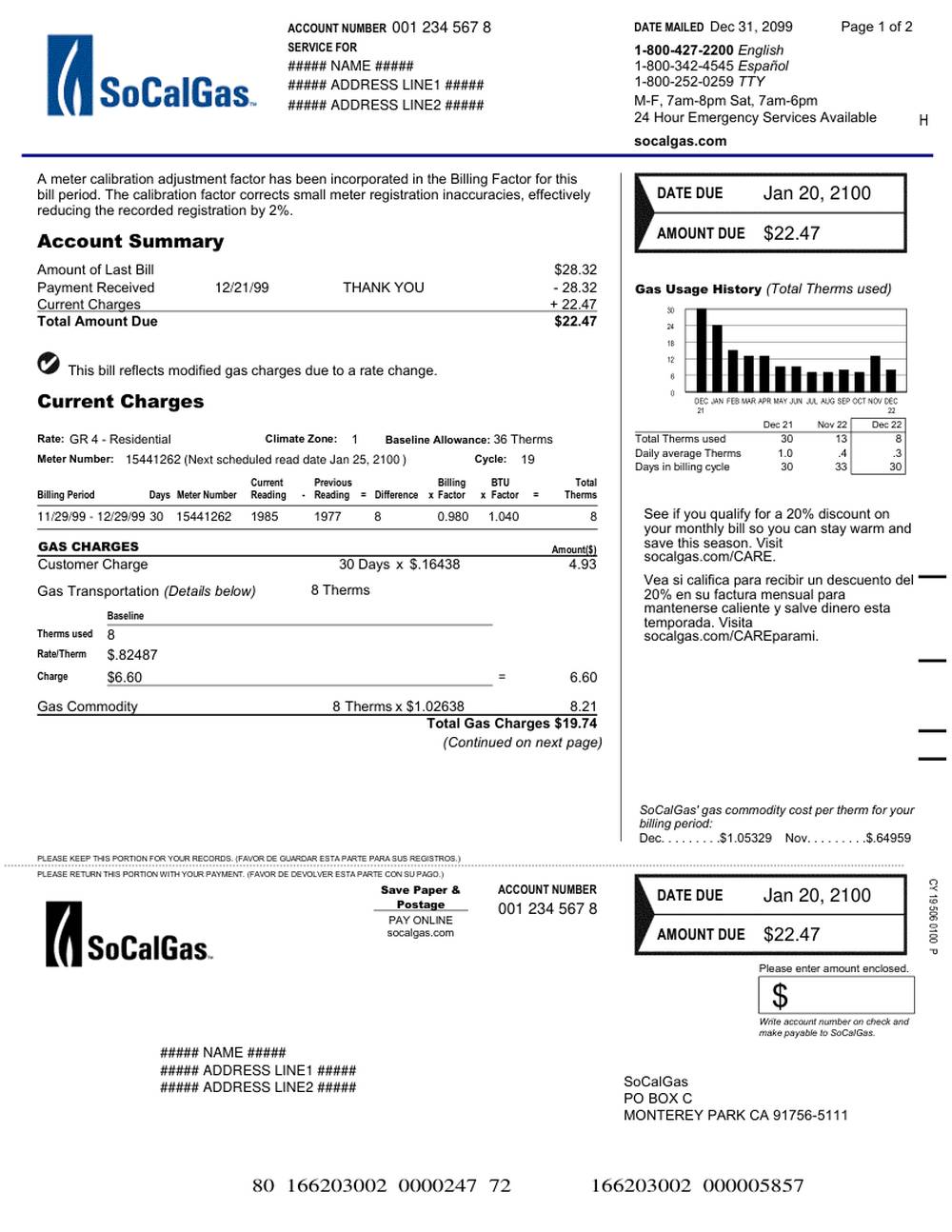
 SoCalGas
 Bank of America
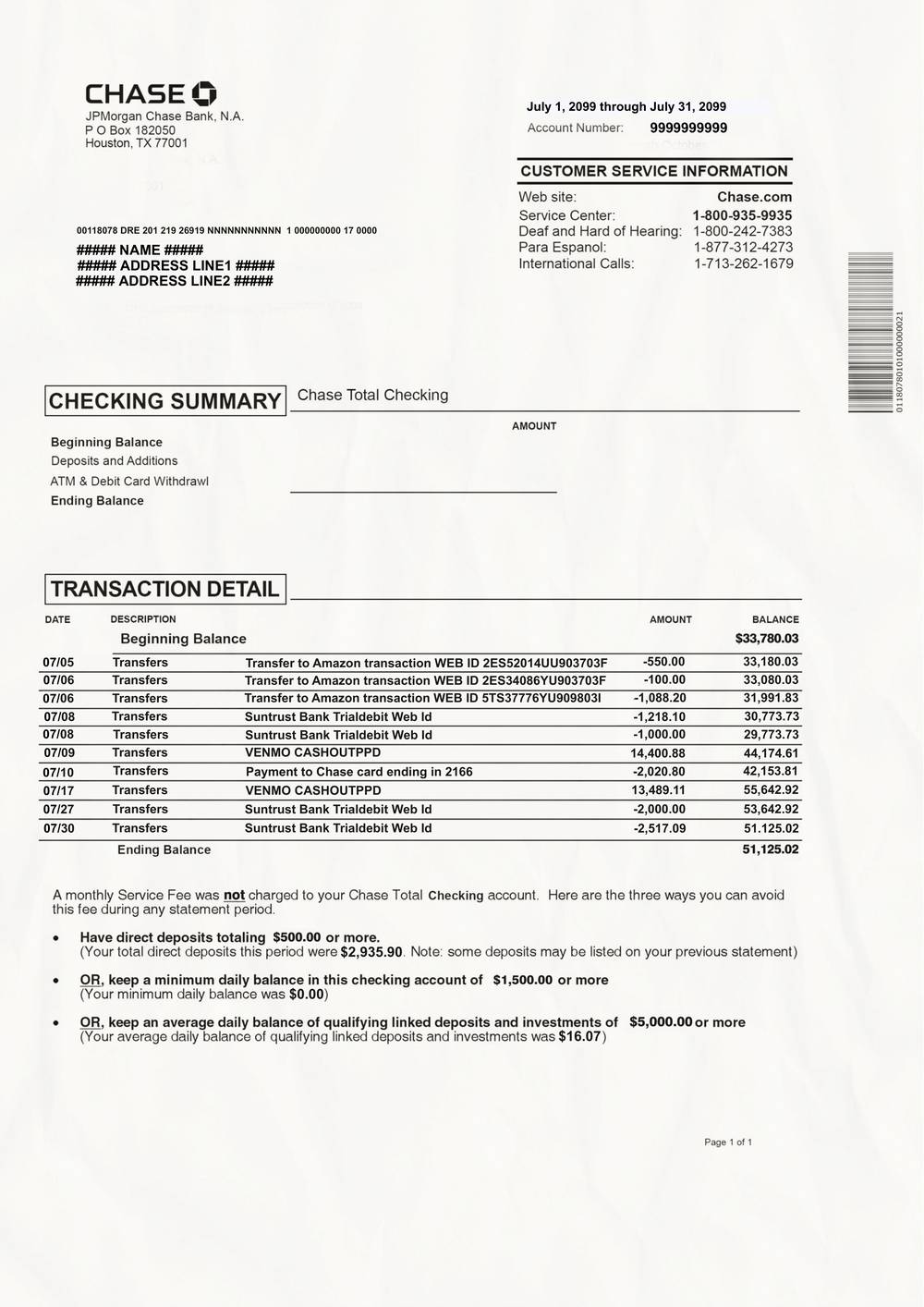
 Chase
Chase
 Citibank
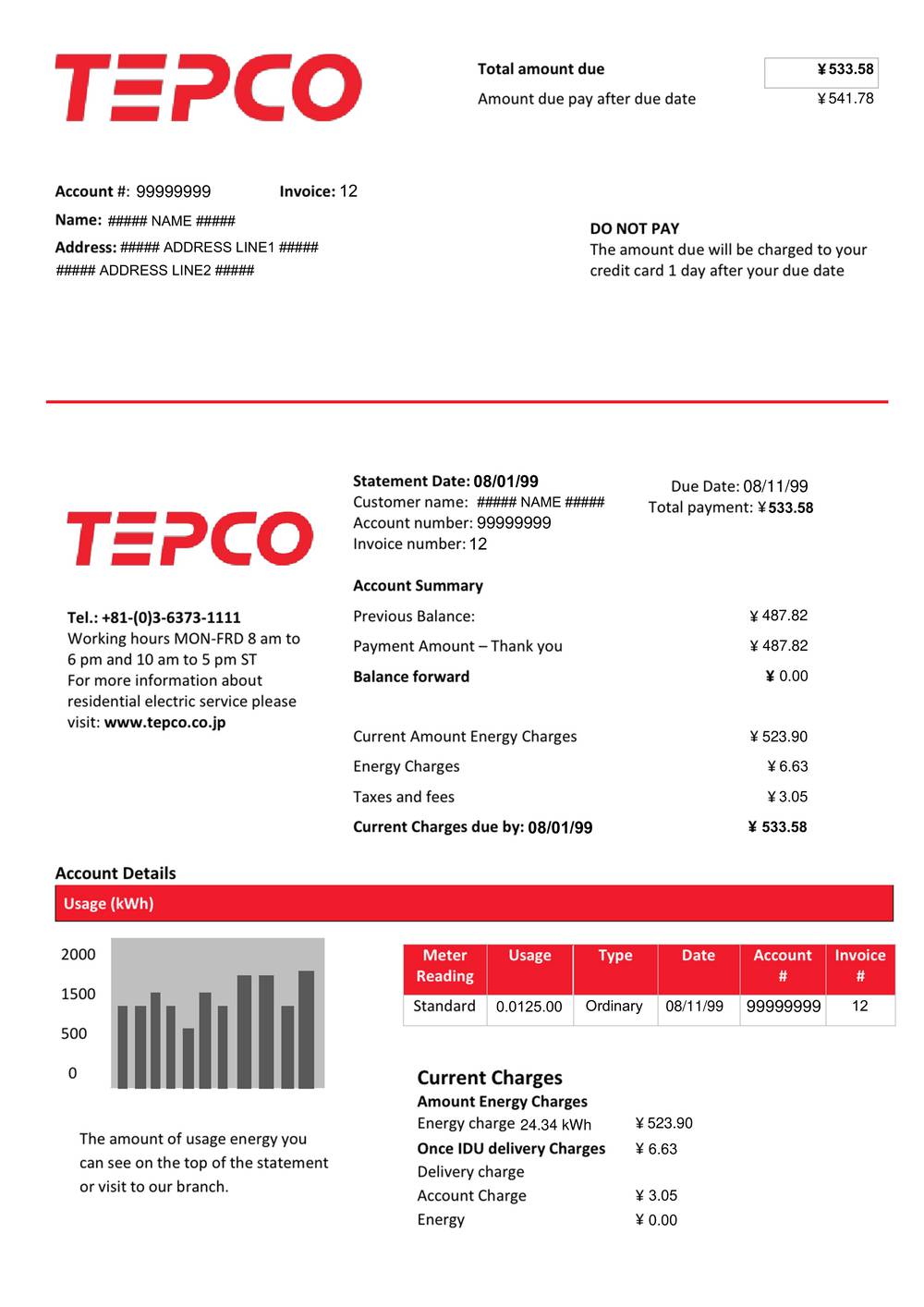
 Tokyo Electric
 CHIBABank
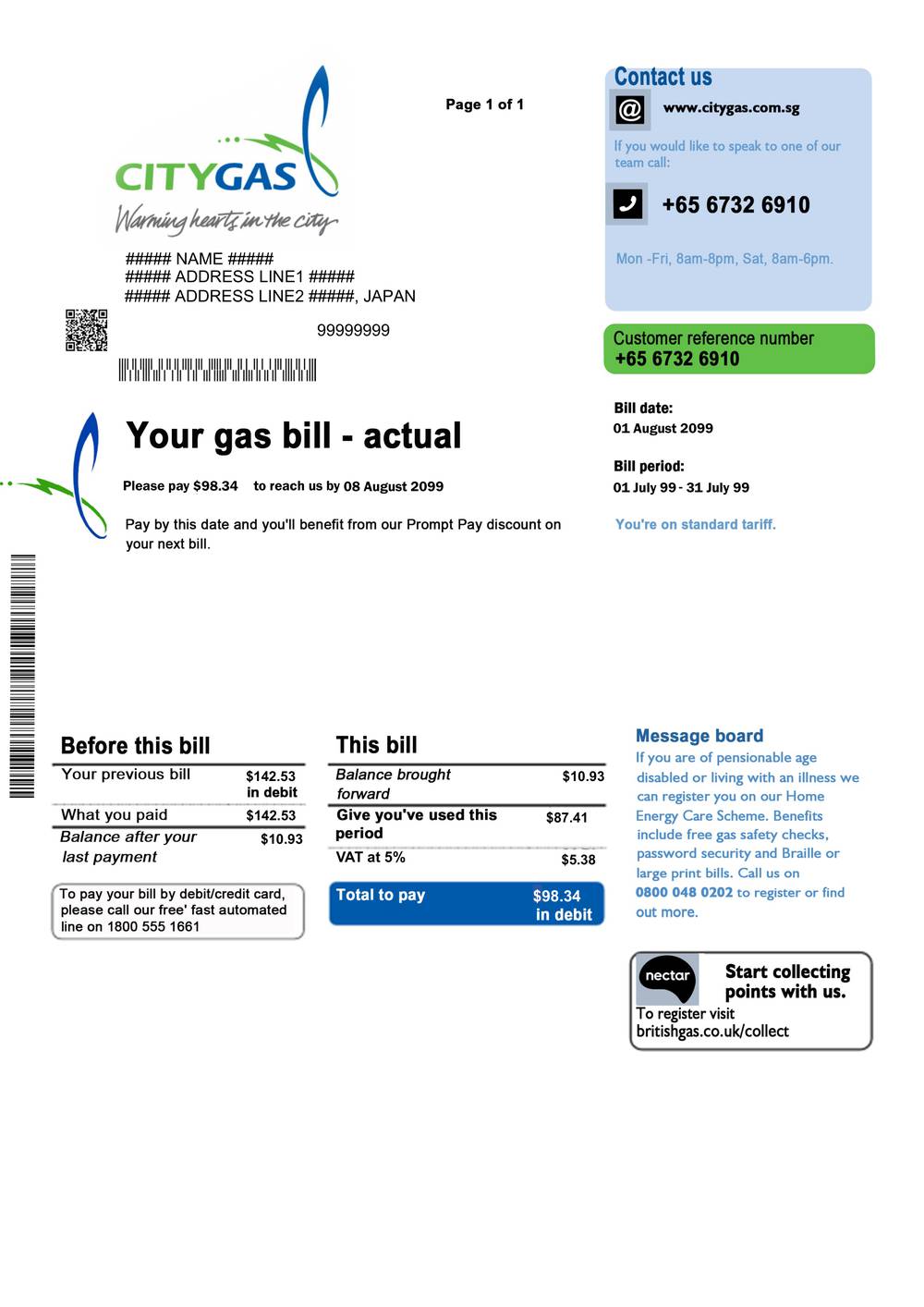
 Citygas
Tags
AT&T Telecom Bill Generator for Address Verification
Benchmark your Proof of Address (PoA) verification systems with our synthetic AT&T telecom bill generator. Ensure your Optical Character Recognition (OCR) models can reliably extract service addresses and customer details safely.
The Role of Telecom Bills in KYC
Telecom and internet bills are frequently submitted by users as Proof of Address during the onboarding process. However, their diverse layouts and marketing inserts make them challenging for automated extraction systems.
Our generator solves this by creating highly realistic AT&T statement templates. It provides your machine learning models with the diverse, high-quality visual data needed to learn precise address bounding and text extraction.
Key Fields and Parsing Challenges
- Service vs. Billing Address Extraction: Train computer vision models to correctly identify the residential service address, even when a different billing address is present.
- Temporal Validation Testing: Generate documents with highly specific historical issue dates to test your system's compliance rules (e.g., rejecting bills older than 90 days).
- Vendor API Benchmarking: Objectively measure the performance and accuracy of third-party address verification APIs using standardized synthetic AT&T inputs.
Advanced Document Engineering
Creating realistic test data requires deep simulation.
1. Dynamic Visual Noise
Real-world bills are rarely perfectly crisp. Our generator introduces slight visual artifacts, simulated scan noise, and realistic typography rendering to prevent your AI from overfitting.
2. Deep Metadata Simulation
Modern KYC pipelines inspect digital integrity. Our generator embeds realistic creation metadata into the generated files, crucial for testing anti-fraud pipelines that check for software tampering.
Frequently Asked Questions
Q: Why use synthetic telecom bills instead of real documents for testing?
A: Real bills contain sensitive PII. Using completely synthetic AT&T data ensures absolute compliance with GDPR and CCPA while testing your verification systems.
Q: Does the generator create realistic billing line items?
A: Yes, it populates the document with structured visual noise like randomized data usage graphs to train AI extraction algorithms to ignore irrelevant data.
Q: Is this suitable for payment gateway KYC requirements?
A: Absolutely. It provides the exact proof-of-address document types required by global regulators for payment processors to verify user residency.